
Services
Useful information

The most common illnesses in dogs
For thousands of years the dog has been our most devoted four-legged friend, and for many people it is a full member of the family. No wonder everyone worries when a pet falls ill. But if you know how different conditions show themselves, what the risks are and how they are treated, anxiety falls, because the uncertainty goes. Below are the most common illnesses in dogs, their symptoms and treatment.
Colds
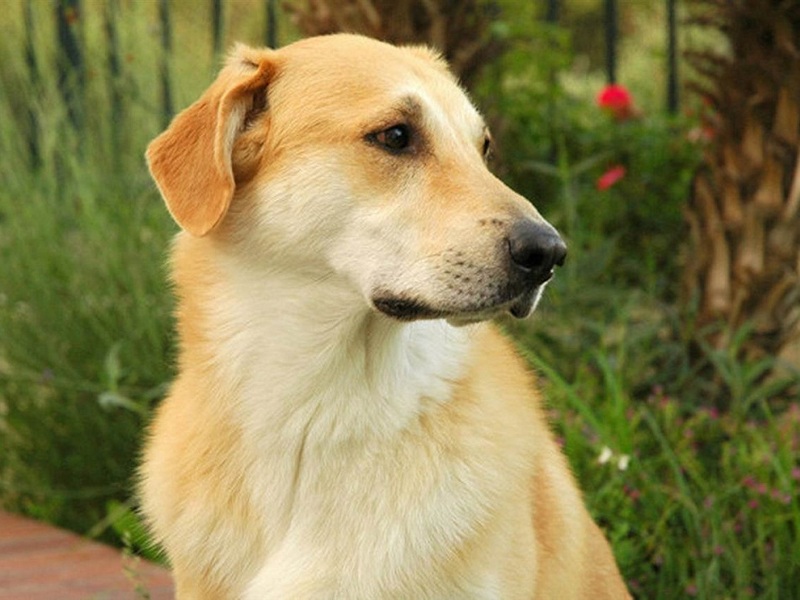
Dogs often lie on the floor, where draughts can chill them. Respiratory infections show up as a dry cough in fits, sometimes ending in retching. If your dog coughs, loses its appetite, sneezes and lies around, take it to a vet.
The vet will examine it, order further tests if needed, find the cause and prescribe the right treatment. The sooner you go, the faster the animal recovers and the lower the risk of complications.
Ear infections
Another serious and common illness is otitis. If your pet shakes its head often, scratches its ears, tilts its head to one side or will not let you touch its ears, book a vet appointment.
Do not treat it yourself: this can lead to serious complications. At the appointment the vet examines the dog, feels the lymph nodes, looks into the ears with an otoscope and takes a swab to identify the cause and its antibiotic resistance. Treatment is prescribed once the diagnosis is confirmed. Do not clean the animal's ears before the visit, as it can make diagnosis harder.
If there is no otitis, the animal feels well, is not restless or in pain, and there is only a change in colour, redness or slight swelling of the ear, you can use a dedicated ear-cleaning lotion as needed. Important! If the animal's condition worsens, see a vet immediately.
The causes of ear inflammation in dogs vary widely: poor hygiene, chronic infection, allergic reactions, wax plugs, water in the ear and so on. Treatment differs in each case.
Eye conditions
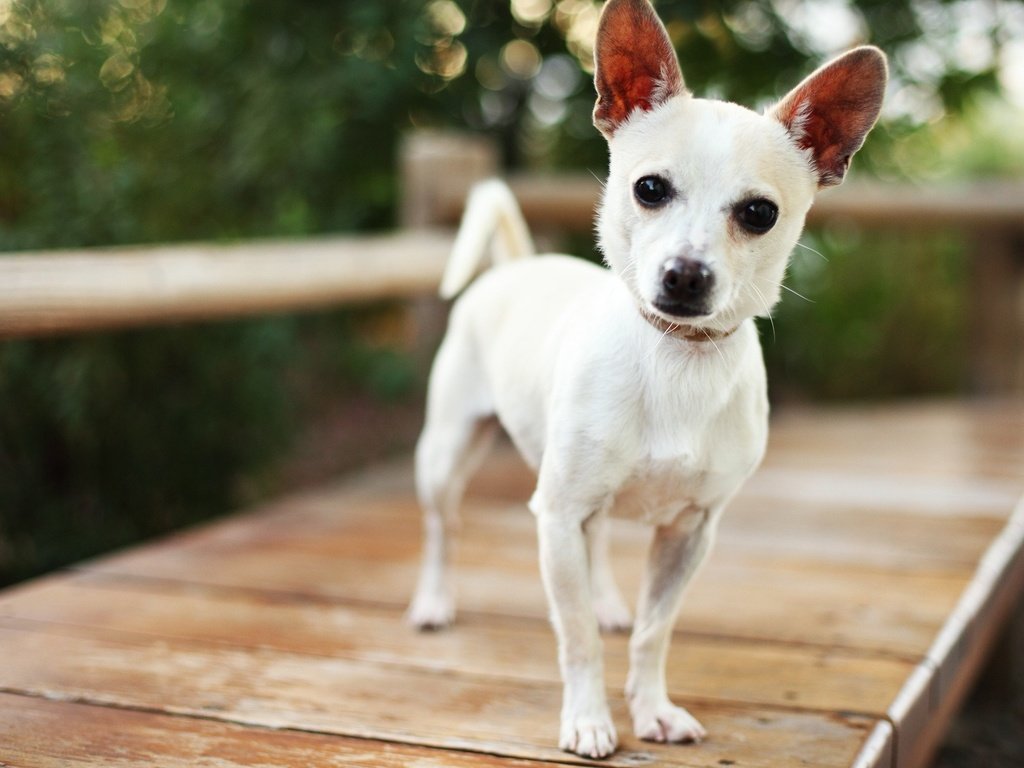
Rust-coloured tracks under a pet's eyes are quite common, especially visible in white-coated dogs. Ignoring this sign is a big mistake: without timely diagnosis and treatment, eye conditions can have irreversible consequences.
Unlike a person, a dog cannot say that its vision has become blurred; it simply tries to adapt. Loss of vision is most often due to keratitis, conjunctivitis, a blocked tear duct, cataracts or other eye diseases.
An eye does not become inflamed only because of cold or draughts. In most cases the cause is infectious agents (bacteria, viruses, fungi, protozoa) that enter through tiny injuries to the skin or mucous membranes and multiply, causing inflammation.
If your pet's eyes are watering or discharging pus, it is restless, has a temperature or is sensitive to light, go to a clinic immediately for diagnosis and treatment. Do not wash or treat the eyes before the visit: it can make diagnosis harder.
Digestive conditions
Almost every dog has digestive upsets from time to time, for many different reasons. Sometimes nothing needs doing and the pet recovers in a few days. At other times urgent veterinary help is needed, as serious and even fatal complications can develop.
It helps to know when you can simply watch your pet and when to take it to the clinic at once. If the dog has vomited once and it does not recur, it feels normal, is not lethargic, its temperature is normal and there is no mucus or blood in the stool, this usually means a temporary digestive upset that is not dangerous.
Important! This does not apply to puppies under a year old or to miniature dogs: they should be taken to a vet in any case.
If the dog has persistent severe diarrhoea, signs of intoxication and dehydration, or mucus, blood or gas bubbles in the stool, go straight to the clinic. The vet will make an initial diagnosis, order the necessary tests and draw up an individual treatment plan.
If the animal is vomiting, has no appetite and is listless, especially if it is a puppy or a toy breed, this may be a sign of very serious conditions (gastritis, ulcers, gallbladder inflammation and others).
On the way to the clinic, keep the animal calm and with water available. Do not give human medicines or anti-sickness drugs without a vet's advice.


