
Services
Useful information

Transporting small pets
People going on holiday or a long trip often cannot or do not want to leave their pets at home. Fortunately, many small pets can come along on a bus, a train and even a plane. The main thing is to know and follow the rules.
Which animals count as small pets
This category usually includes:
- cats;
- dogs;
- birds;
- small amphibians (frogs, toads);
- small rodents and similar animals (guinea pigs, mice, hamsters, rabbits, chinchillas, rats, squirrels);
- molluscs and aquarium fish;
- small non-venomous reptiles (tortoises, lizards);
- arthropods.
Travelling by train
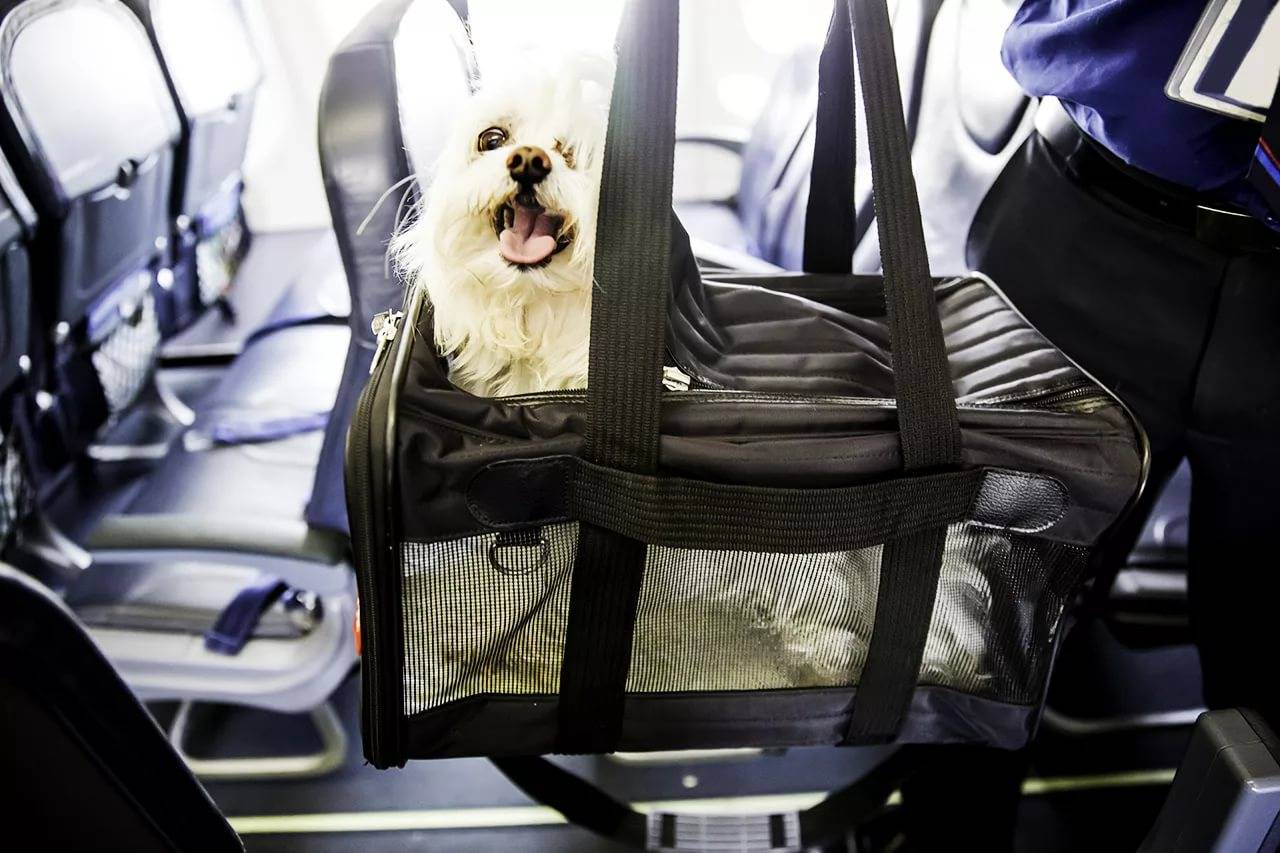
The rules below are those of Russian railways. Within Russia, small pets can travel without veterinary documents; you only pay their fare. During the trip the owner must look after the animals and keep the carriage clean.
There are several limits on carrying small pets, birds and dogs on long-distance trains in addition to the hand-luggage allowance:
- One ticket covers no more than one item and no more than two birds or animals. Some operators charge extra; check in advance.
- Small-breed dogs, other small pets and birds must travel in baskets, cages, boxes or special containers placed in the hand-luggage spaces. The three dimensions of one item must add up to no more than 180 centimetres.
- Pets are not allowed in every type of carriage, and operators may have their own conditions. Before buying a ticket, make sure it is permitted. If your ticket does not include pet transport, you need to arrange and pay for it at the ticket office. If you have bought a place in a carriage where animals are not allowed, you will have to return the ticket and buy another.
A few more points: working-breed dogs travel muzzled and on a lead, in a separate compartment with an escort, with all places in the compartment paid for and no extra charge for the animals. The number of pets and escorts must not exceed the number of places.
Guide dogs travel free in all types of carriage, muzzled and collared, at the feet of the person they accompany.
Wild animals may not be carried as hand luggage in any type of carriage.
Transport by air
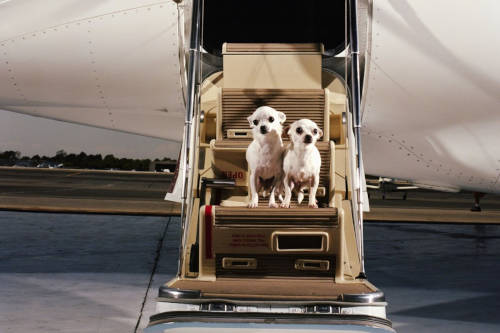
On a plane, a pet may travel in the cabin only with the airline's permission; if that is not possible, it travels in the hold. When buying your ticket, state that you plan to bring a small pet and obtain written confirmation from the airline.
Carriers may set their own limits on size, number and weight. Bear in mind that antagonistic animals are not normally allowed in the same cabin: if another passenger booked a cat before you and you want to bring a dog, you are likely to be refused. In that case you will have to choose another flight or send your pet in the hold.
There are also requirements for the travel container, which should be studied before the flight to avoid surprises: it must be sturdy, comfortable, lockable and well ventilated, with a waterproof, firm base lined with absorbent material.
Transport by road
Small pets can travel in a hire car or taxi, but tell the company in advance, as some drivers decline such bookings. The animal must be in a carrier.
Birds travel in containers, cages or boxes; rodents in cages or carriers. No animal should be loose in the vehicle: it can distract the driver and cause an accident.


